via Android Authority https://ift.tt/3nxctdn

Following a public standoff earlier this week, YouTube TV and NBCUniversal have agreed to a “short” extension over the streaming service carrying several of the broadcaster’s channels. That means that at least for now, YouTube TV will continue to carry more than a dozen major NBCUniversal-owned channels, including NBC regional sports networks. But it also means YouTube TV’s monthly subscription cost won’t be getting $10 cheaper.
Had talks broken down, NBCUniversal programming would have been removed from YouTube TV at midnight ET. “NBCUniversal and YouTube TV have agreed to a short extension while parties continue talks,” an NBCUniversal spokesperson tells Protocol and Vulture. “NBCUniversal will not go dark on YouTube TV at midnight...
Disney and Scarlett Johansson are no longer on the outs. The parties have reached a settlement for the lawsuit Johansson filed over the hybrid release strategy used for Black Widow. If you'll recall, the actor sued Disney over the company's decision to release her movie in theaters and on Disney+ at the same time, accusing the entertainment giant of breach of contract.
Johansson's camp argued that Black Widow was supposed to be released in theaters exclusively under her deal with Marvel. According to the lawsuit she filed, she could lose as much as $50 million due to the hybrid release, seeing as her compensation is tied directly with the movie's box office success and doesn't include a cut from what Disney would make from streaming. People have had to pay $30 for a Premier Access pass to watch the movie on Disney+, and the company said Black Widow earned $60 million from streaming during its opening weekend.
Her lawsuit also said that her camp tried to contact Disney and Marvel to re-negotiate their deal, but they were allegedly unresponsive. Neither party disclosed the terms of their agreement, but both issued a statement mentioning future collaborations. Alan Bergman, chairman of Walt Disney Studios, said he looks "forward to working together on a number of upcoming projects, including Disney's Tower of Terror."
Meanwhile, entertainment workers are gearing up for a strike because studios like Disney are rapidly producing content after pandemic-related restrictions had lifted. The situation led to poor working conditions with long hours and no breaks for production crew. Entertainment unions are hoping to convince studios to make changes, including ending the lower pay scale for smaller streaming services. Under the current rules, streaming services with fewer than 20 million subscribers like Apple TV+ does can pay their workers lower wages.
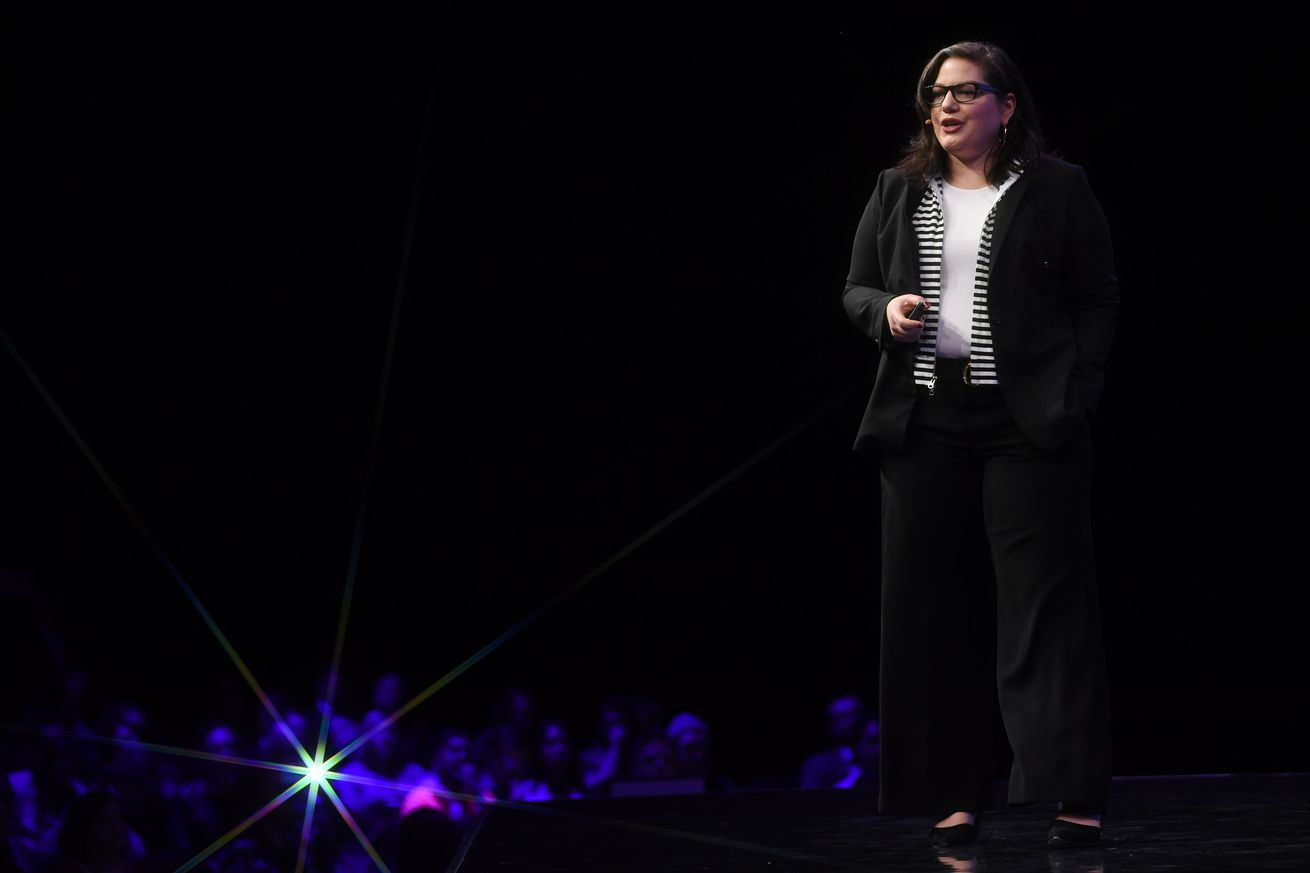
Electronic Arts is promoting chief studios officer Laura Miele to chief operating officer, the company announced Thursday. The change is a big promotion for Miele, who already had significant leadership at the company overseeing 25 different studios. The new role will give Miele greater oversight over the company and arguably makes her the most powerful woman in gaming, an industry where there are few female executives, fewer in the C-suite, and where those C-suite execs are often in charge of HR or finance rather than the company’s products.
Ubisoft did make Virginie Hass its chief studios operating officer last August, following scandals over a toxic culture including sexual harassment and misconduct that went as high as the C-suite...
Five9 will remain independent — its deal to be acquired by Zoom is off. Though a press release from Five9 says it was “terminated by mutual agreement,” it’s also the case that Five9 shareholders rejected the $14.7 billion deal.
Zoom originally announced the acquisition on July 18th. Five9 automates managing customer contacts for businesses, and the deal was supposed to bolster Zoom’s business offerings. Its major competitors are behemoths like Microsoft and Google, and the deal would have helped the smaller company expand.
This was supposed to be an all-stock transaction, but unfortunately for Zoom, its stock price has lost more than a quarter of its value since they announced the acquisition. Usually, when a company is bought,...

Three months after Scarlett Johansson sued Disney over its streaming release of Black Widow, arguing she stood to lose millions of dollars because her salary was based on the box office performance of the film, the suit has now been settled, according to The Hollywood Reporter, Variety, and The New York Times and others. Representatives for Johansson confirmed the settlement to The Verge as well.
While the terms of the settlement don’t appear to be public, Deadline cites a source saying that the deal was in the “tens of millions.” Both parties have paid lip service to continuing to work together: Johansson told The Hollywood Reporter that she was “happy to have resolved our differences with Disney,” and “look[s] forward to continuing our...
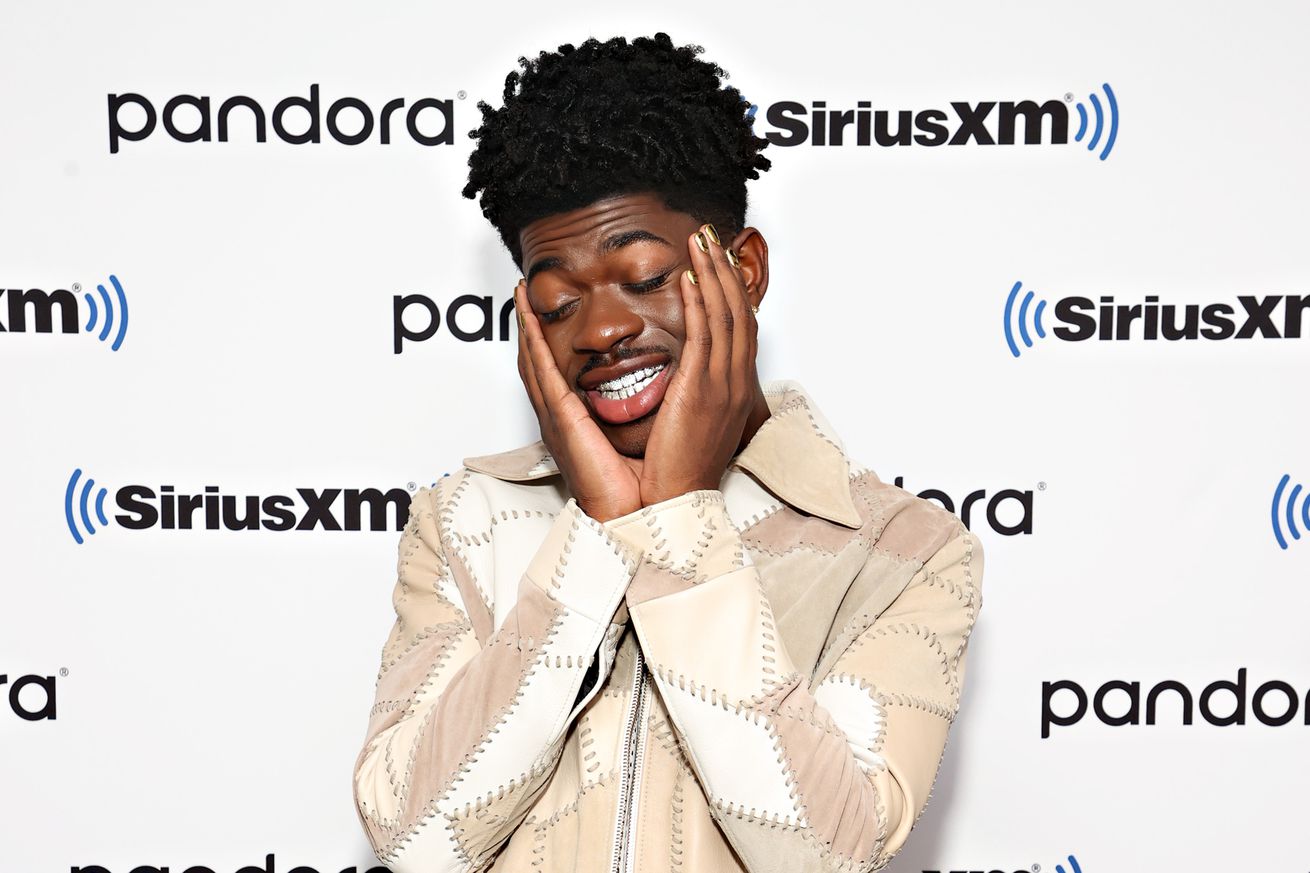
Because no peace can be found in the age of man, TikTok has decided to partner with select creators, celebrities, and online entities like Lil Nas X, Bella Poarch, and Grimes to release a collection of non-fungible tokens. These TikTok Top Moments, as the company is calling them, are inspired by six “culturally significant” TikTok videos in the form of one-of-one NFTs. TikTok plans to auction them alongside a selection of limited edition NFTs it’ll sell weekly throughout October.
The partnerships, creators, and new material being tokenized and put up for auction vary. Musician Lil Nas X is up first on October 6th with a collaboration with artist Rudy Willingham, while Grimes is collaborating with Brittany Broski (“Kombucha Girl”), and...
One week after introducing a new invite system, Clubhouse is introducing a host of new features. The first of those new is Clips, a tool people can use to share previews of public rooms. When creators and hosts enable the feature, you’ll see a new icon that looks like a pair of scissors. Tap it and Clubhouse will capture the last 30 seconds of audio, which you can then share on Instagram, Twitter, Facebook, iMessage or WhatsApp. Clubhouse says it’s rolling out Clips in beta to select creators today. In most public and open rooms, you should see the scissors icon there unless the host has gone out of their way to disable the feature.
Sometime in the next few weeks, Clubhouse also plans to introduce a way for people to share archives of past live rooms. The feature is called Replays. As with Clips, it’s something that people will be able to disable if they want. When active, however, it will make past rooms discoverable for as long as a host or creator wants people to find that conversation. Clubhouse says it plans to start rolling out Replays sometime in October.
Rounding things out, Clubhouse is introducing a search tool that allows you to look for specific people, clubs, live rooms and future events. Initially, that functionality will live in the Explore tab for about a week or two before Clubhouse moves it to the hallway sidebar. Last but not least, Android users can look forward to Clubhouse rolling out support for spatial audio. In many ways, the updates Clubhouse announced today address shortcomings that have been in the app for a while. The absence of a way to share audio was a particularly notable omission.


Fairphone, the manufacturer focused on making easy to repair smartphones made out of ethically sourced materials, just took the wraps off its fourth-generation handset. The Fairphone 4 uses a modular design that’s similar to the company’s previous phones, only now with more powerful internals, a five-year warranty, and a promise of two major Android updates and software support until the end of 2025. Prices start at €579 / £499 for the phone, which will ship on October 25th.
I’ve been using the Fairphone 4 for a couple of days as my primary phone, and while I’m not ready to give a final verdict just yet, it feels like a big step forward compared to the dated designs and low-power components found in the company’s previous phones. Stay...

Microsoft is launching its Xbox Cloud Gaming (xCloud) service in Australia, Brazil, Mexico, and Japan. The software giant has been testing streaming Xbox Game Pass Ultimate games in these markets over the past few months, and is now ready to greatly expand the reach of its xCloud technology.
XCloud will be available to Xbox Game Pass Ultimate subscribers in Brazil and Mexico later today, meaning it technically launches in Australia and Japan in the early hours of October 1st. Xbox Cloud Gaming will be available through the dedicated Android and Xbox Windows apps, or via the web for iOS and other devices.
Microsoft is now offering Xbox Cloud Gaming in 26 countries, thanks to this big expansion. “Since cloud gaming is powered by custom...
Ever since its first “ethical” smartphone hit the market, Fairphone reviews have always been haunted by the wary acknowledgement that the devil always has the best toys. But times have changed, and Fairphone can at least be confident that it has won both the moral and the economic argument. Right to Repair laws are currently being kicked around in several US states and Framework is now building Fairphone-esque laptops. If there’s one word I can use to describe the new Fairphone 4, it’s mature. As much as the previous generations of this handset have been good, none deserve as much attention as this one likely does.
First, a caveat: Various global crises have pushed back the launch date for the Fairphone 4. I didn’t receive a unit until a few days before the announcement, so I’ve only had a limited amount of time to give this thing a thorough going over.
Pick up the Fairphone 4 and you’ll first notice how solid this thing feels in your hand compared to its predecessor. This is not the flimsy plastic concoction we saw in previous generations but a monument, wrought from metal and glass. It may weigh a gram less than the iPhone 11 Pro Max I was holding in my other hand, but this one just feels more substantial. The new metal chassis and thick plastic backplate gives it, to quote Auric Goldfinger, a divine heaviness. I have no qualms about how sturdy and durable this thing is, even knowing that I can pick up replacement parts for very little cash up front.
The design language has changed from the awkwardly long slab of the 3 and 3+ to something that looks a lot more like a current-generation (or at least previous-generation) Android handset. Fairphone has also taken the courageous decision to ditch the 3.5mm headphone jack here in favor of just USB-C. The only things breaking up the outside of the frame, beyond the antenna lines, are a power button with a built-in fingerprint sensor and a pair of sturdy volume buttons. Gone, too, is the conspicuous branding of the previous editions in favor of the company logo edged into the base of the backplate.
A 6.3-inch Full HD+ display coated with Gorilla Glass 5 takes up most of the room up front, although this is no slim-bezel chin-free edge-to-edge number. The only interruption is the teardrop in the middle of the screen, which houses the 25-megapixel selfie camera. There’s nothing of note to say about the screen, which has a decent backlight, good viewing angles and solid black levels. I think I said a year ago that it’s now hard to mess up a phone display and Fairphone hasn’t fixed what didn’t need mending. Sadly, as good as the vision is, the sound that accompanies it is tinny, thin and reedy with non-existent bass.
Now, Fairphone hasn’t strayed too far from its goal of producing an affordable and reliable modular smartphone. But while it’s splashed out on some specs, others remain firmly in the “nothing to write home about” league. The system-on-chip, for instance, is a Snapdragon 750G, which you’ll find in a number of non-premium 5G handsets like the Moto G 5G and Galaxy A52 5G. It’s worth saying that the 750G offers very respectable performance and tests well in benchmarks but it’s certainly not a screamingly-fast flagship unit.
Unlike previous models, Fairphone is actually offering two versions of the Fairphone 4, one with 6GB RAM and 128GB storage, the other with 8GB RAM and 256GB storage. Both can be bolstered with the internal microSD slot that’ll take up to 2TB cards. The Fairphone 4 can support both a physical nano-SIM as well as an eSIM, both of which support 5G (although not simultaneously.)
Fairphone opted for a double-camera setup here with an f/1.6 48-megapixel primary camera packing Sony’s half-inch Exmor IMX582 sensor with OIS. You’ll get 8x digital zoom, and can shoot 4K video at 30fps, or HD slow-motion at 240fps. The second camera is a 48-megapixel f/2.2 120-degree wide-angle lens for landscape photography. Joining those two on the back of the phone is a time-of-flight sensor for better autofocus, which also makes it look like you’re rocking a triple-camera phone.
Nestled up front in the teardrop is a 25-megapixel, f/2.2 forward-facing camera which uses a Sony IMX576 sensor. You’ll get support for HDR, 8x digital zoom and the ability to record video in HD at up to 30 fps. The images you get out of that selfie lens are respectable, although even when you shoot 25-megapixel images, you’ll get very little detail when you zoom in and things get muddy pretty quickly.
The company said that I shouldn’t do too many photography tests with the Fairphone 4 until a yet-to-be-distributed software update pushes the final tweaks. That said, the standard camera is perfectly reasonable and the live filters produce pretty lovely images.
Repairing this phone should, again, be relatively easy given how little a challenge it was to upgrade the previous model. Simply pop off the back cover and extract that replaceable 3,905mAh battery and a Phillips 00 screwdriver is all you need to get working. Again, I’ve not had any time to delve yet, but even a quick poke inside makes me think that it’s not more difficult to do any repair job than it was on the older models. One thing to bear in mind, however, is that Fairphone is no longer shipping a screwdriver in the box, assuming instead that you already own a tool suitable for the job.
Fairphone has said that it has learned a number of valuable lessons from the launches of its last few handsets. That’s why this new model has a five-year warranty and guarantees software support until 2025 at the earliest, but pledges to keep that going to 2027 at best. (Fairphone has previous here: Earlier this year it managed to get Android 9 running on the Fairphone 2, five years after it was first released.) It also has pledged to ensure that spare parts for the phone remain available until that same 2027 deadline.
Whereas before Fairphone talked about a “fair” supply chain both looking for ethically-clean raw materials and paying workers a fair wage, it also describes the 4 as “e-waste neutral.” This is a neat way of summing up the idea that the company will recycle one device for every Fairphone 4 it sells. In addition, Fairphone can boast that it now uses 70 percent “fair” material inside the handset, including FairTrade Gold and Silver, aluminum from ASI-certified vendors and a backplate made from 100 percent post-consumer recycled polycarbonate.
And while some of the spare parts are a little more expensive than on the previous edition, the prices are more or less affordable. The company supplied me with a parts and price list (in GBP, at least) and the most expensive components are a replacement display and rear camera, which both retail for £69.95 (around $78 before sales tax). The forward-facing camera and battery pack replacements, meanwhile, are £25.95 (around $29), while components like the loudspeaker, USB-C port, earpiece and so on all cost less than £20 (around $22).
Interestingly, as part of this launch, Fairphone is also launching a pair of true wireless headphones. These are, naturally, one of the most notoriously hard-to-repair and recycle devices currently littering the market. At this point, Fairphone hasn't tried to re-design these things to be more repairable, but did say that the units were made with “fair and recycled materials” including at least 30 percent recycled plastic and FairTrade Gold.
The Fairphone 4 will be available to pre-order on September 30th, with the first handsets due to arrive on October 25th. Unlike previous years, however, there will be the two previously-outlined variants depending on storage and RAM options. The 6GB RAM / 128GB model will retail for €579 / £499, while the 8GB / 256GB model will set you back €649 / £569.
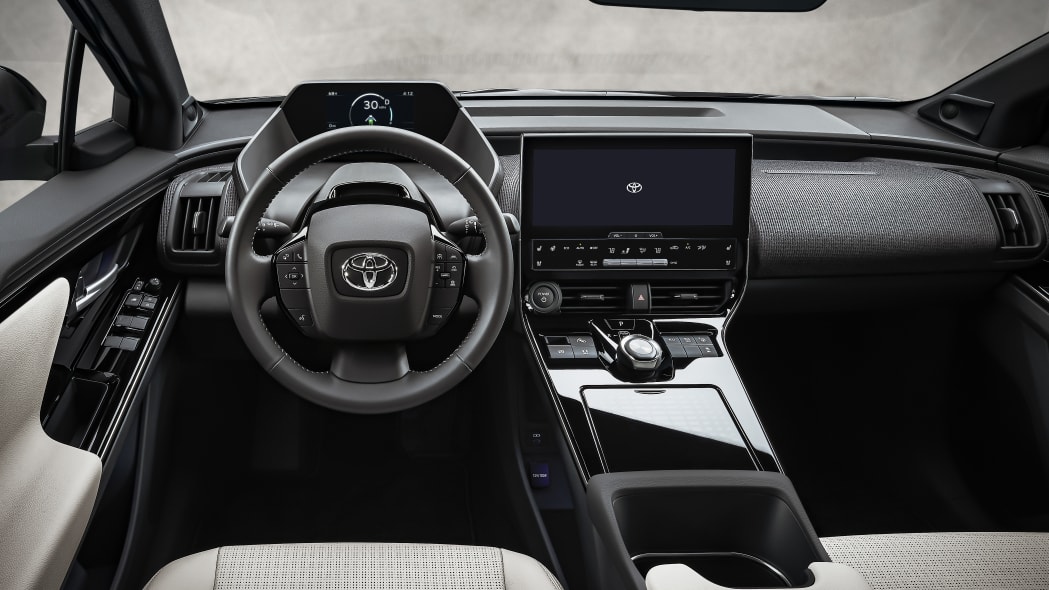
Subaru has showed the first video of its first EV, the 4x4 Solterra crossover, essentially confirming that it's a slightly reworked version of Toyota's upcoming bZ4X EV, according to Autoblog. Both electric cars are the fruit of Toyota and Subaru's collaboration on the e-TNGA platform designed for multiple EVs, first announced in 2019.
Design cues visible in the teaser video, particularly the odd dual roof spoiler, are similar to those on Toyota's upcoming bZ4X (the "bZ" stands for "beyond zero"). The side profile in a longer shot also looks nigh-on identical, making us wonder why Subaru doesn't just reveal it in full and be done with it.
It also showed a dim shot of the interior, with the centerpiece being a giant mid-mounted display. Again, that looks mighty similar to what Toyota has shown us with its own EV crossover, though Autoblog pointed out that Subaru appears to have some extra features below the rotary knob. Another notable difference is Subaru's bolstered seats that might allow for more sporty 4x4 activities.
Other key details, like price and battery capacity, have yet to be released. However, the price could be somewhere in the high $30,000 to low $40,000 range. Like Toyota's offering, it's set to arrive in the US and other markets next summer.
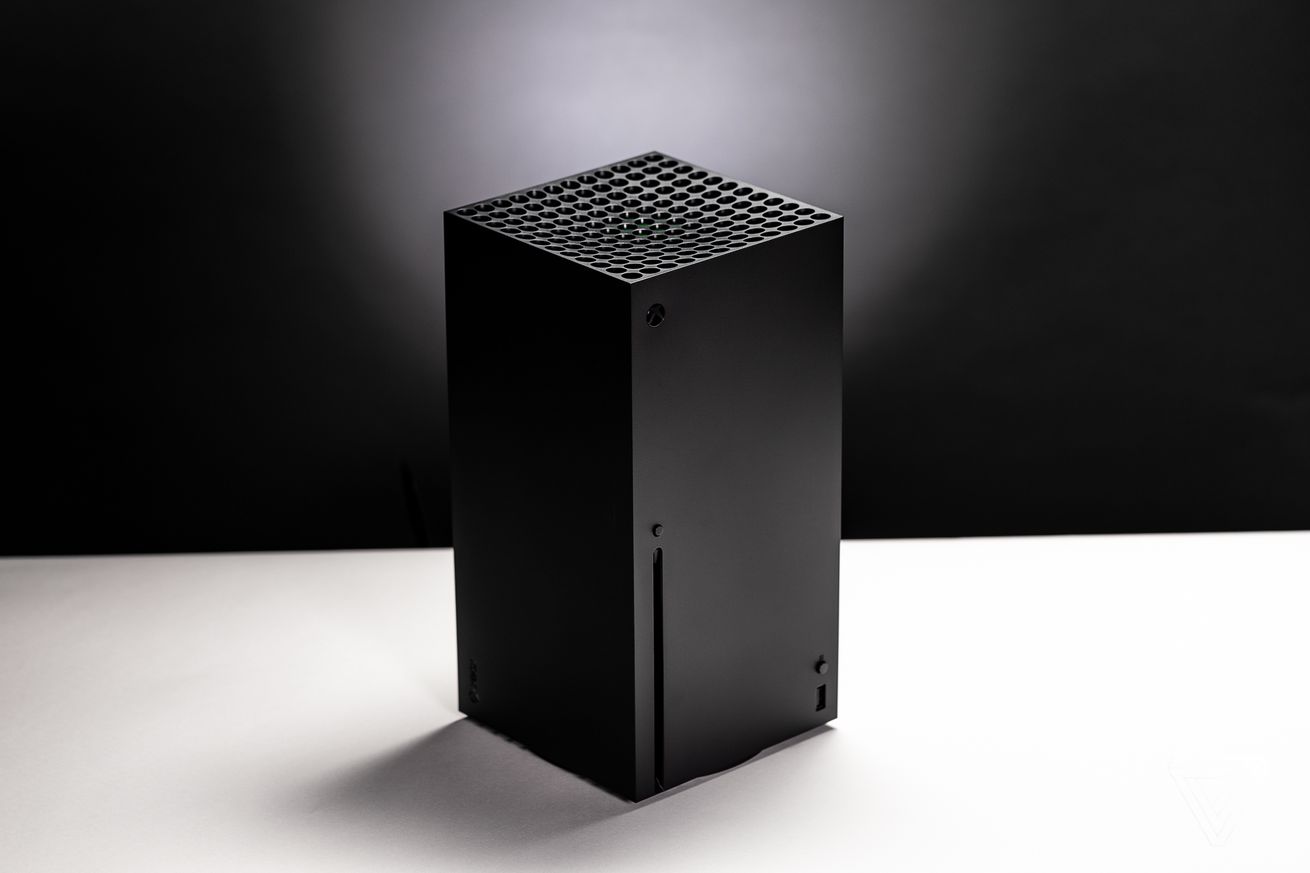
Microsoft’s Xbox chief, Phil Spencer, says console supply issues will continue into 2022. In an interview with The Wrap, spotted by Video Games Chronicle, Spencer admits the Xbox supply issues will last for the rest of the year and into 2022 due to supply chain complications beyond just a chip shortage.
“I think it’s probably too isolated to talk about it as just a chip problem,” says Spencer. “When I think about, what does it mean to get the parts necessary to build a console today, and then get it to the markets where the demand is, there are multiple kind of pinch points in that process. And I think regretfully it’s going to be with us for months and months, definitely through the end of this calendar year and into the next calendar...

Honda is increasing its research and development spending in three futuristic areas: rockets, robots, and electric vertical takeoff and landing aircraft (eVTOL), otherwise known as flying cars.
The automaker will spend $45 billion (5 trillion yen) on R&D over the next six years. But Honda won’t say what fraction of that amount will be spent on developing rockets, robots, and flying cars, nor even if it plans on pursuing those projects as commercial businesses.
In fact, Honda sees robots, rockets, and eVTOL aircraft as an extension of its main business of manufacturing automobiles. If the company can get a better electric vehicle platform out of it, for example, then it will be worth the investment. Basically, it wants to see if it can...
Amazon was supposed to defend its decision in court to let Emily Cunningham and Maren Costa go last year. The former Amazon employees were outspoken critics of the company, and both were, the National Labor Relations Board (NLRB) previously decided, illegally fired. The e-commerce giant didn't have to defend itself, however, because it has settled with the affected parties shortly before the hearing could take place.
Cunningham and Costa, who worked on user experience design, openly criticized Amazon's climate policies and workplace practices. They previously slammed the company's climate policies in a video that gained national attention. And before they were let go in April 2020, both of them tweeted that they'd match donations up to $500 to support their warehouse worker colleagues. Cunningham said the "lack of safe and sanitary working conditions" puts the workers and the public at risk, while Costa tweeted that the workers "struggle to get consistent, sufficient protections and procedures" from their employer.
Amazon said when the news broke that they were let go for violating internal policies, namely for discussing the company without prior approval, and not for speaking out about working conditions specifically. The NLRB looked into accusations that Amazon retaliated against its employees for organizing or participating in protests, however, and determined that Cunningham and Costa were illegally fired.
According to The Washington Post, the settlement still needs to be approved by the NLRB regional director in Seattle, though Cunningham and Costa are already considering the settlement a victory. In a joint statement, they said the development is a "win for protecting workers rights" and that Amazon will be required to pay them lost wages. The whole statement reads:
"We are thrilled to announce that we have reached an agreement to settle the charge against Amazon at the National Labor Relations Board (NLRB) alleging that the company illegally fired us for speaking up about warehouse workers' conditions during COVID. This is a win for protecting workers rights, and shows that we were right to stand up for each other, for justice, and for our world. Amazon will be required to pay us our lost wages and post a notice to all of its tech and warehouse workers nationwide that Amazon can't fire workers for organizing and exercising their rights.
It’s also not lost on us that we are two women who were targeted for firing. Inequality, racism, and sexism are at the heart of both the climate crisis and the pandemic.
Tech workers standing up together have immense power to move the biggest corporations in the world. Everything we love is threatened by climate chaos. Workers at every company need to be standing up for each other and the world, together. Now is the time to be our best, bravest selves. We can only do this together. We hope you’ll join us."
Honda builds much more than cars and trucks — power equipment, solar cells, industrial robotics, alternative fuel engines and even aircraft are all part of the company's production capacity. On Thursday, Honda announced that it is working to further expand its manufacturing portfolio to include Avatar-style remote telepresence robots and electric VTOLs for inter- and intracity commutes before turning its ambitions to building a fuel-cell driven power generation system for the lunar surface.
For its eVTOL, Honda plans to leverage not only the lithium battery technology it's developed for its EV and PHEV vehicles but also a gas turbine hybrid power unit to give the future aircraft enough range to handle regional inter-city flights as well. Honda foresees air taxis as a ubiquitous part of tomorrow's transportation landscape, seamlessly integrating with both autonomous ground vehicles and traditional airliners (though they could soon be flown by robots as well). Obviously, the program is still very much in the early research phase and will likely remain so until at least the second half of this decade. The company anticipates having prototype units available for testing and certification by the 2030s and a full commercial rollout sometime around 2040.
Honda will have plenty of competition if and when it does get its eVTOLs off the ground. Cadillac showed off its single-seater aircar earlier this year, while Joby (in partnership with NASA) already has full-scale mockups flying. In June, Slovakian transportation startup, Klein Vision, flew from Nitra and to the Bratislava airport in its inaugural inter-city flight — and then drove home after the event. But building a fleet of flying taxis is no easy feat — just ask Bell helicopters — and we're sure to see more companies drop out of the sector before eVTOLs become commonplace.
Honda reps also discussed the company's future robotics aspirations during a media briefing on Wednesday. The company envisions a future where people are unencumbered by space and time, where telepresence robots have visual and tactile acuity rivalling that of humans. Rather than hopping on a plane to inspect remote factory floors or attend product demonstrations in person, tomorrow's workers may simply don VR headsets and step into the body of an on-site humanoid robot.
The company announced that it wants its Avatar Robot — a newly refined iteration of the Asimo (above) — put into practical use in the 2030s and will conduct technology demonstration testing by the end of Q1, 2024 in order to meet that goal. But before that happens Honda reps noted that the company has work to do downsizing the robot's hand hardware and improving its grasping dexterity.
Honda also has big plans for its space ventures including working on ways to adapt its existing fuel cell and high differential pressure water electrolysis technologies to work on the lunar surface as part of a circulative renewable energy system.
This system would use electricity gathered from renewable energy sources (like solar) to break the molecular bonds of liquid water, resulting hydrogen and oxygen. Those two elements would then be run through Honda's fuel cell to generate both electricity and supply the lunar habitats with oxygen for breathing and hydrogen for rocket fuel.
The company also hopes to utilize the more-nimble Avatar hands its developing as manipulators on a fleet of remote controlled lunar rovers which will perform tasks on the lunar surface rather than subject astronauts to the moon's many dangers. Honda has partnered with Japan Aerospace Exploration Agency (JAXA) and began joint research into both of these systems in June.


Virgin Galactic has been cleared to fly again by the US Federal Aviation Administration (FAA) following an anomaly on its previous flight, the WSJ has reported. The agency launched a probe into the space company's first crewed flight after it dropped below its approved trajectory.
The FAA determined that the SpaceShip Two Unity craft, with founder Richard Branson and five others aboard, had deviated from its assigned airspace for a minute and 41 seconds and failed to report the error as required. However, it accepted Virgin Galactic's proposal to expand the protected airspace for a wider array of possible trajectories and to communicate with air traffic control in real time during flights.
"The updates to our airspace and real-time mission notification protocols will strengthen our preparations as we move closer to the commercial launch of our spaceflight experience," said Virgin Galactic CEO Michael Colglazier in a statement.
Virgin Galactic is cleared to fly FAA-licenced spaceflights following the conclusion of an FAA inquiry. Read more here; https://t.co/G4UaH5KLU9pic.twitter.com/qs5vOoxoGb
— Virgin Galactic (@virgingalactic) September 29, 2021
According to a report in the New Yorker, pilots saw a "red light" warning near the end of the powered flight indicating that the spacecraft had veered outside its entry glide cone, putting it at risk of an emergency landing. Virgin Galactic said that the deviation was due to high altitude winds and that the craft didn't fly outside the lateral confines of its protected airspace. "At no time did the ship travel above any population centers or cause a hazard to the public," a spokesperson said.
With a flight clearance in hand again, Virgin Galactic may fly its next mission in mid-October, potentially with members of the Italian Air Force. After that, both the current SpaceShipTwo and its WhiteKnightTwo host aircraft would spend four months receiving upgrades, the company previously said.
A Bloomberg report claims that Nintendo provided at least 11 developers with a toolkit to create games for the Switch that support 4K graphics. Shortly after it was published, though, the gaming giant has issued a statement firmly denying that it's supplying tools to drive the development of titles for a 4K console. "[T]his report is not true," the company tweeted. Further, it reiterated that it has no plans for a new Switch model other than the OLED variant that's coming out on October 8th.
We also want to restate that, as we announced in July, we have no plans for any new model other than Nintendo Switch – OLED Model, which will launch on October 8, 2021. (2/2)
— 任天堂株式会社(企業広報・IR) (@NintendoCoLtd) September 30, 2021
Bloomberg said Nintendo had already handed out 4K toolkits and had already asked developers to create games with 4K resolution by the time it announced the OLED model. The publication also said that the 11 companies it talked to are made up of large publishers and small studios, including Zynga.
Nintendo's upcoming OLED Switch doesn't support 4K graphics, though its screen does offer better colors and contrast than its predecessors. In the past, Bloomberg reported that the company was working on a Switch with OLED screen and an NVIDIA chip that would enable it to generate 4K graphics when connected to a TV. A source told the publication, however, that Nintendo struggled with component shortages due to the COVID-19 pandemic and had to drop its 4K plans.
Releasing a 4K Switch seems like the logical next step for Nintendo to take, seeing as its competitors already have consoles that support the resolution. Based on the company's statement, though, that won't be happening anytime soon.
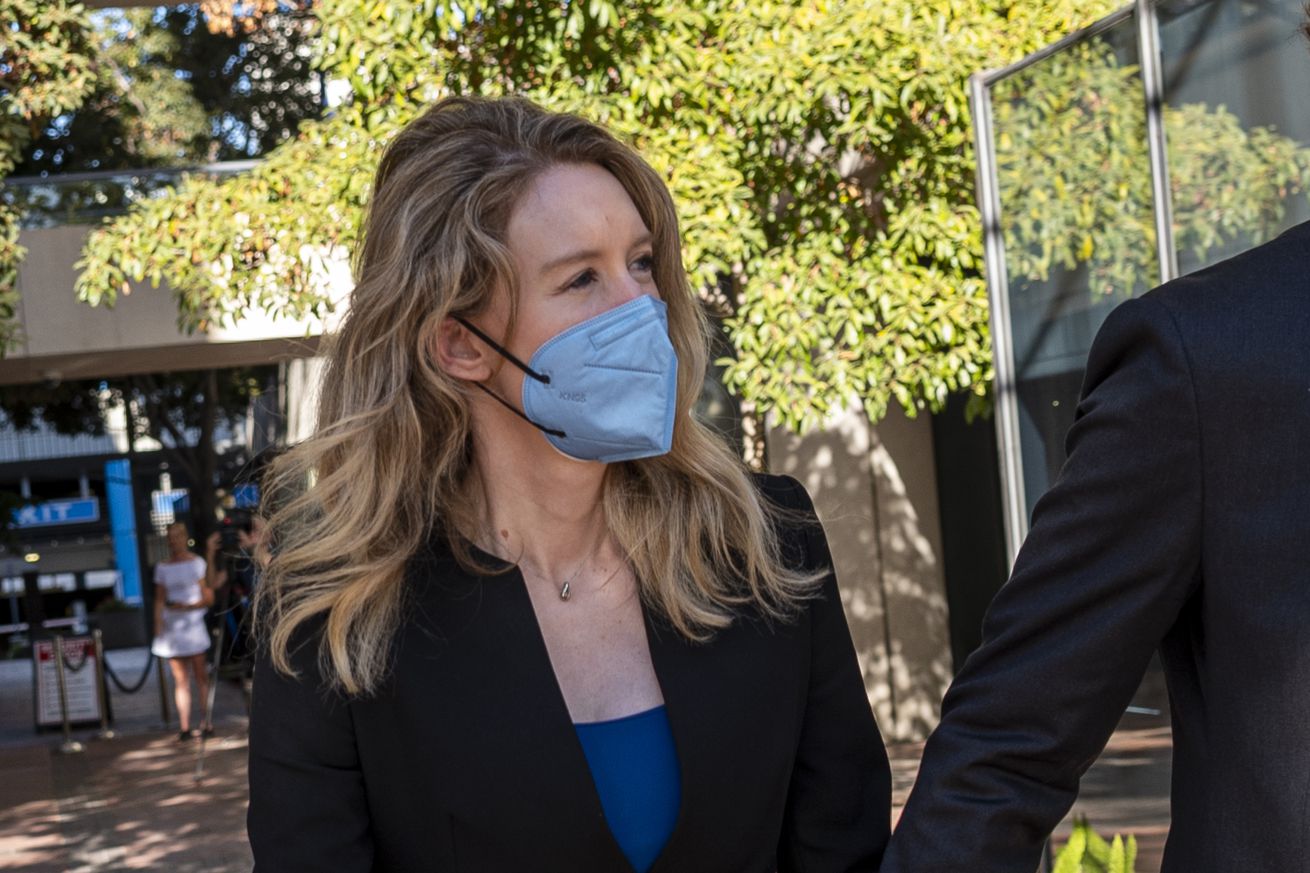
A preview of arguments to come

Amazon has settled a dispute with two workers that the National Labor Relations Board said were fired for their activism. In April 2020, the company fired Emily Cunningham and Maren Costa after they had organized a protest against Amazon’s work with oil and gas companies, as well as raising concerns with the company’s coronavirus measures at its warehouses. In a joint statement, Costa and Cunningham said that the company would have to pay them lost wages as well as inform employees that they couldn’t be fired for organizing. They haven’t mentioned whether they would be getting their jobs as UX designers back.
At the time of the NLRB’s ruling, Amazon said that it disagreed with the findings, and that Costa and Cunningham had been fired...
Facebook has published two slide decks detailing its research into how Instagram affects teens’ mental health. The slides were heavily cited by The Wall Street Journal earlier this month in a story that reported the company’s own researchers had found that ““Instagram is harmful for a sizable percentage” of teens, particularly teenage girls.”
Instagram has attempted to rebut those claims, saying that its research was mischaracterized. But the ensuing backlash has already forced the company to “pause” its work on an Instagram Kids app. It also raised pressure on Facebook to release the underlying research, which the company ultimately agreed to do. Facebook’s head of safety is scheduled to testify at a Senate Commerce Committee hearing on child safety on Instagram Thursday.
The slides offer a rare glimpse into how Facebook researches thorny issues affecting its own services. Many include lengthy annotations with additional “context” on the more controversial aspects of the research. For example, a slide titled “The Perfect image, feeling attractive, and having enough money are most likely to have started on Instagram,” states that the information in the slide “should not be used as estimates of average experience among teen users.”
Other annotations, like one on a slide, titled “One in five teens say that Instagram makes them feel worse about themselves, with UK girls the most negative,” attempt to downplay the findings. “This research was not intended to (and does not) evaluate causal claims between Instagram and health or well-being.” (That line is repeated on several other slides.)
The research also offers insight into what type of content is positively perceived by teens on Instagram. One slide states that meme accounts are among the content that “make teens feel the best.”
The release of the research is unlikely to quiet Facebook’s critics, particularly those in Congress who were already deeply suspicious of the company’s attempts to woo children onto its services. Some Democratic lawmakers have called on the company to abandon its work on Instagram Kids entirely. For Facebook, younger users are not just one of the most important demographics, but one where the company has been consistently losing out to rivals like Snapchat and Instagram.
Other research, also conducted by Facebook and published by The Wall Street Journal this week, found that Facebook has been struggling to keep tween and teens engaged. In one slide, which has not been made public by Facebook, the company discussed whether young children’s playdates could be used “as a growth lever for Messenger Kids.” Facebook later said that it “was an insensitive way to pose a serious question and doesn’t reflect our approach to building the app.”

Facebook has shared the internal research about the impact of Instagram on teenage mental well-being reported on by The Wall Street Journal earlier this month. The Wall Street Journal reported that the files showed Instagram knew the social media network has a negative affect on teens’ mental health. Facebook has pushed back on the WSJ’s characterizations of its research, saying that “it is simply not accurate that this research demonstrates Instagram is ‘toxic’ for teen girls.”
The research slide decks are available on Facebook’s newsroom here, split into two PDFs. We’ve also embedded the PDFs at the bottom of this story. Notably, the two PDFs have been annotated by Facebook in an effort to provide context.

It is rare for a big company to come out and categorically deny an entire report, but that’s what Nintendo just did today — the Japanese corporate entity has issued a press release insisting that Bloomberg’s seeming revelation that Nintendo was pushing developers to build 4K-resolution games for an upcoming but potentially canceled “Switch Pro” handheld was entirely incorrect.
Nintendo writes the report “falsely claims that Nintendo is supplying tools to drive game development for a Nintendo Switch with 4K support” and insists that it’s “not true.” Separately, it says that it has no plans for any new Nintendo Switch other than the slightly refined OLED model that’ll be out next week.
While there’s always a possibility that...

Several Chinese companies have filed a class-action complaint against Amazon for banning them from the Amazon marketplace over their use of paid reviews, a new complaint filed on September 13th claims. In the last year, Amazon has cracked down on companies soliciting paid reviews on its platform, claiming to have permanently banned 600 Chinese brands across 3,000 seller accounts.
The companies listed in the complaint, doing business as Sopownic, Slaouwo, Deyixun, Cstech, Recoo Direct, Angelbliss, and Tudi, are seeking “recovery of funds that are being illegally and improperly withheld by Amazon” and are filing the class action to “stop any further misappropriation and misuse of funds that are legally and rightfully due to thousands of...

Virgin Galactic is cleared to resume flights of its SpaceShipTwo space plane, the Federal Aviation Administration (FAA) said Wednesday, after capping a safety investigation into issues that came up during the company’s July flight carrying its founder Richard Branson. During that mission, SpaceShipTwo strayed from its designated airspace on its descent from space, and Virgin Galactic didn’t tell the FAA about it when it was supposed to.
With the investigation now closed, the FAA required Virgin Galactic to make changes “on how it communicates to the FAA during flight operations to keep the public safe,” it said in a statement. Virgin Galactic said that includes “updated calculations to expand the protected airspace for future flights”...
You've the option to re-download Apple's in-house apps for a while, but you haven't been allowed to write App Store reviews for them like you can for third-party titles. Apple is now treating its apps more as equals, though. 9to5Macnotes Apple has quietly enabled App Store ratings and reviews for its own software. If you want to laud improvements to Maps or trash Mail, you can.
The volume of reviews is relatively low compared to equivalent third-party apps that have been around for years, like Gmail or Google Maps. However, it won't surprise you to hear the ratings are relatively low. Apple's Podcasts client is sitting at two stars as of this writing, while Apple News is sitting at 2.3 stars. Maps has only partly mended its early reputation with a three-star rating. Like with third-party software, some customers are using the ratings and reviews to gripe about technical issues instead of design.
The change treats Apple's apps more fairly, and might even be useful to help the company spot and respond to criticism. It might likewise see this as another way to improve public perception of the App Store. On top of an Epic lawsuit that could soon force Apple to alter App Store policies, the iPhone maker has preemptively stopped favoring its own apps in rankings and reduced its cut of small developers' apps revenues. Ratings and reviews won't dramatically change Apple's image, but they likely won't hurt.

Amazon’s annual barrage of new Echo hardware didn’t disappoint, ranging from role-playing games to nutrition tracking, drones and videocall devices for kids. I think the new 15-inch Echo Show, a smart screen to mount on your wall, was the most intriguing reveal.
Amazon has redesigned its home screen to make the most of all that extra display space, and you can customize it so part of the screen scrolls through ambient content, like headlines and weather updates. Aimed at families, the Echo Show 15 also has a new visual ID feature that can recognize your face and show you personalized information, like calendar appointments, reminders and notes.
Amazon and Google dominate the smart displays space, and I might be the rare exception of having not a single Alexa-powered device in my home. So far, Amazon’s devices haven’t offered anything particularly compelling for me. I have a Google smart display, which smoothly integrates with Google Calendar, Google Maps and the rest. It’s hard for me to generate much enthusiasm for the Echo range.
Now, having said that, let me contradict myself entirely.
If you like your Alexa devices on wheels and with precarious extendable, periscope cameras, then perhaps Amazon’s Astro robot might get you excited. (Or worried.) Amazon plans to sell its first robot in limited quantities later this year. It will eventually cost $1,450, but as part of its Day 1 Editions program, the company will sell the robot at an introductory price of $1,000.
— Mat Smith
Amazon's Blink unveils a no-frills $50 video doorbell
Amazon's Alexa-enabled Smart Thermostat only costs $60
Amazon takes on Apple with fitness and nutrition services for Halo devices
Everything Amazon announced at its September hardware event
Amazon Glow is a kid-focused video call device with interactive activities
IKEA and Sonos’ new, more customizable version of their Symfonisk speaker lamp arrives on October 12th. The furniture giant will sell the new model's lamp base and shade separately, so you can mix and match parts to ensure the final product fits the vibe of your home.
IKEA’s Stjepan Begic said they decided to make the base smaller after finding out a lot of people use the Symfonisk lamp on their nightstand. You’ll be able to choose between two types of shades: textile or glass, while the lamps themselves come in black or white. The new model also supports a wider range of bulbs, thanks to a different E26/E27 socket.
Ring says its Always Home Cam, its first home security drone, will soon arrive in select households. Users will be able to sign up to join an invite-only testing program to help refine the hardware before it hits shelves. In the US, at least, Ring owners can sign up to help develop what its makers are calling a “very ambitious device.”
This time last year, ByteDance was trying to save its TikTok app in the US and elsewhere after Donald Trump's administration threatened to ban it. One potential savior was Microsoft.
It was a mess. It all started when Trump threatened to force Chinese company ByteDance to sell TikTok to a US owner, citing privacy and security concerns. Microsoft stepped in as a potential buyer, though the company, in the end, struck a deal with Oracle and Walmart, which President Joe Biden's administration scrapped in February 2021.
Microsoft was in the middle of negotiations with ByteDance when Trump told reporters he'd rather ban the app than allow it to be sold to a US company. That "threw into disarray the careful negotiations we had pursued with ByteDance” to buy TikTok’s business in the US and the three other countries, CEO Satya Nadella wrote. Trump only relented and allowed a deal to happen after Nadella called him personally.
After Oracle's winning bid, ByteDance said Trump had "ghosted" the site, effectively going silent after ordering the company to divest its US TikTok assets.
After four delays spanning nearly a year and a half of missed release dates, New World is finally here, available to Steam and Amazon’s own marketplace, starting at $40. The MMORPG will be crucial to Amazon Game Studios’ future. After the very public failure of Crucible, which it terminated not too long after its launch, the company needs to prove it can deliver compelling games — and keep them going. Hopefully, all those delays have ensured New World arrives with its best foot forward.
BloodyStealer trojan targets Steam, GOG and Epic accounts
Apple says the iPad mini's 'jelly scrolling' problem is normal
Logitech's MX Keys Mini is a compact keyboard for minimalists
1Password can now randomly generate email addresses for logins
Facebook's 2Africa to become the longest subsea cable in the world
Xbox Series X/S consoles now support Dolby Vision for gaming
Apple beefs up Keynote, Pages and Numbers with new features
As Amazon’s executives took the stage one after another yesterday to introduce the world to the company’s “next big leaps forward,” a sense of deja vu crept up on me. It only grew stronger as the event progressed, with many new Amazon products seeming incredibly familiar. The company has been criticized in the past for borrowing designs of popular goods and selling them for a lot cheaper.
That’s not an uncommon practice of course — massive retailers all over America like Walmart and Costco have offered lower-cost store-brand lines forever. But none of them stage flashy keynotes to tout their products as “innovations.” While Amazon has indeed brought certain unique technologies to the world in the past, this year the company’s “innovations” seemed to be more of it doing what it does best: undercutting the rest.
With the Halo View, Amazon is essentially adding a display to its existing screenless health-tracking band. But the View’s shape and style are so similar to Fitbit’s Charge series it’s hard to differentiate the two. Sure, there are only so many ways you can stick a rectangular display on a wristband, but Amazon’s mimicry doesn’t stop there. It also introduced new Halo Fitness and Halo Nutrition services today that will offer guides on working out and eating better.
That’s basically Fitbit Premium, which offers guides on working out and eating better. Oh and Fitbit’s $10-a-month service also provides tips on meditating and sleep. Amazon’s subscription costs just $4 per month after a trial period, though, and the $80 Halo View is $100 cheaper than the new Charge 5. The View probably won’t do as much as Fitbit’s trackers, which are quite sophisticated. Still, considering the price, Amazon will likely sell a lot of them.
Amazon teamed up with existing thermostat brand Honeywell to make a Smart Thermostat that will work with most existing 24V HVACs (most common for residential HVAC systems). You can control it with a separate Alexa-enabled device and set custom routines for heating and cooling. The company hasn’t released much more information about its thermostat yet, but from what we can see, the device has the rounded-rectangle shape of an ecobee smart thermostat with the color scheme of a Google Nest product.
Lots of existing smart thermostats by brands like ecobee, Sensibo and Google’s Nest do more things, but Amazon is seriously undercutting the competition by selling its version for just $60. The Nest Thermostat that was launched last year costs $130, while an ecobee 3 Lite goes for $170.
Competition in the security camera space is pretty stiff, so it isn’t very surprising that Amazon and Google both borrow a lot from each other. Amazon unveiled a new $50 Blink video doorbell camera today, alongside a set of outdoor cameras. One of these is the $40 floodlight camera mount that calls to mind Google’s Nest Cam with integrated floodlight. To be fair, though, Google did only introduce a wireless, battery-powered doorbell camera after Blink, so it appears the borrowing is mutual here.
The difference, however, is once again in pricing. Blink’s video doorbell is less than a third of the price of the $180 Nest Doorbell. Google’s floodlight-cum-security camera is $280, while Amazon’s mount (with a camera) is half that at $140.
It’s no secret that Amazon’s business model has a lot to do with knowing what people want and changing their prices accordingly. But how can it make things so cheap? In addition to pure economies of scale and multiple reports of questionable (at best) labor practices, the company also offers goods at reduced prices in exchange for sticking ads on your devices. The ad-supported versions of Kindles and Fire tablets often go for $20 to $30 less than their stock counterparts.
With the breadth of devices Amazon offers, too, the sheer amount of data it could collect purely for the sake of selling you stuff is huge. With the smart thermostat, it could detect a dip in temperature in your region and suggest you buy from its in-house brand of winter wear. Or maybe your child’s been reading a book on a Kindle, and the company later serves ads for collectibles from that title on its new kid-centric Glow video-calling device. Or how about a subsidized version of the Astro robot that roams your house or follows you around with an ad on its face? Amazon also talked about a “vision of ambient intelligence” — which sounds very similar to the concept of “ambient computing” expounded by Google for years. But because Amazon’s products are so much cheaper, it could succeed at stuffing Alexa in so many more places in our lives.
Plus, with all the data it’s gathering from your shopping habits, whether it’s on one of its devices or the Amazon app, the company can afford to sell you something at a lower profit margin. The company said in its privacy notice that it’s “not in the business of selling our customers' personal information to others.” But it’s presumably using that data to understand the types of things you’re more likely to buy and put that stuff in front of you. It’ll probably make more off of you in the long run if you’re using the cheap Fire tablet to browse its store.
Of course, this doesn’t mean that everything Amazon unveiled today was a cutrate version of something else. We got an update on the Ring Always Home Cam, which was first announced last year. You’ll soon be able to sign up to test it out. The home security device is a little drone that can fly around your property at your command to see if anything’s amiss. No mainstream tech giant has launched something similar yet, though, so Amazon isn’t undercutting anyone on this.
Still, it seems like the company’s strategy for its flagship products is similar to that of its Basics line: Take a good idea, tweak it and sell it for loads cheaper. It’s not terrible; We could always use affordable, reliable devices. But Amazon is not innovating: It’s the Costco of consumer tech.
Follow all of the news from Amazon’s fall hardware event right here!


Whether it wants to be or not, YouTube is a guardian of internet history, with countless classic videos sitting in its archives. That makes it jarring when the company acts like what it is: a multinational corporation with no real understanding of this value. Case in point, this week YouTube removed the original upload of the “Ah fuck, I can’t believe you’ve done this” meme, rejecting an appeal from its creator (and the guy who can’t believe this was done) and claiming that the clip violates the company’s “violent or graphic content policy.”
In the words of Paul Weedon himself, star of and uploader of the original video: Ah, fuck.
Weedon tweeted out the news of the takedown and his unsuccessful appeal, noting that the video had been on...
Amazon's Deal of the Day is all about storage products, with particularly good prices for SD cards. Do you need a giant boost in storage for your smartphone, drone other other device that uses a MicroSD memory card? Amazon is selling SanDisk's 1TB Ultra MicroSDXC UHS-1 cards with adapter at just $110 for today only. That's a hefty 52 percent discount compared to the regular $230 selling price.
Buy SanDisk 1TB MicroSD card at Amazon - $110SanDisk pioneered 1TB MicroSD memory cards and was first to both launch and sell them. The model in question provides up to 120MB/s speeds, essentially the max available in the UHS-I format. With A1 application class performance, it delivers fewer IOPS (input-output access per second) than A2 class cards, but sustained sequential read speeds are the same. It has a high 4.8 out of 5 consumer rating on Amazon with 89,144 global reviews.
Amazon also has a great deal today on another type of memory card that's difficult to find discounted. It's offering the SanDisk Extreme Pro 256GB CFexpress Type B memory card at $260, which is $140 off the regular $400 price. These cards are used in cameras like Canon's EOS R5, Nikon's Z6 II, Z7 II, D6 and 1DX Mark III, Panasonic's S1, S1R and S1H models, and the Blackmagic Design BMPCC 6K and 6K Pro. (Note that Sony's A1 and A7S III use smaller CFexpress Type A cards.)
Buy 256GB SanDisk CFexpress Card at Amazon - $260Switching to SanDisk's CFexpress cards boosts speeds from 300 MB/s up to 1,700 MB/s max over UHS II. That will allow you to capture 8K video on Canon's R3, for example, or shoot sustained photo bursts more reliably and for a longer duration. Again, this SanDisk model is highly rated by users, but the deal ends today.
Amazon is also offering other memory and storage deals on WD and SanDisk products, including NVMe drives, portable G-drives, USB keys and internal hard disks. For more, check out its Deal of the Day page.

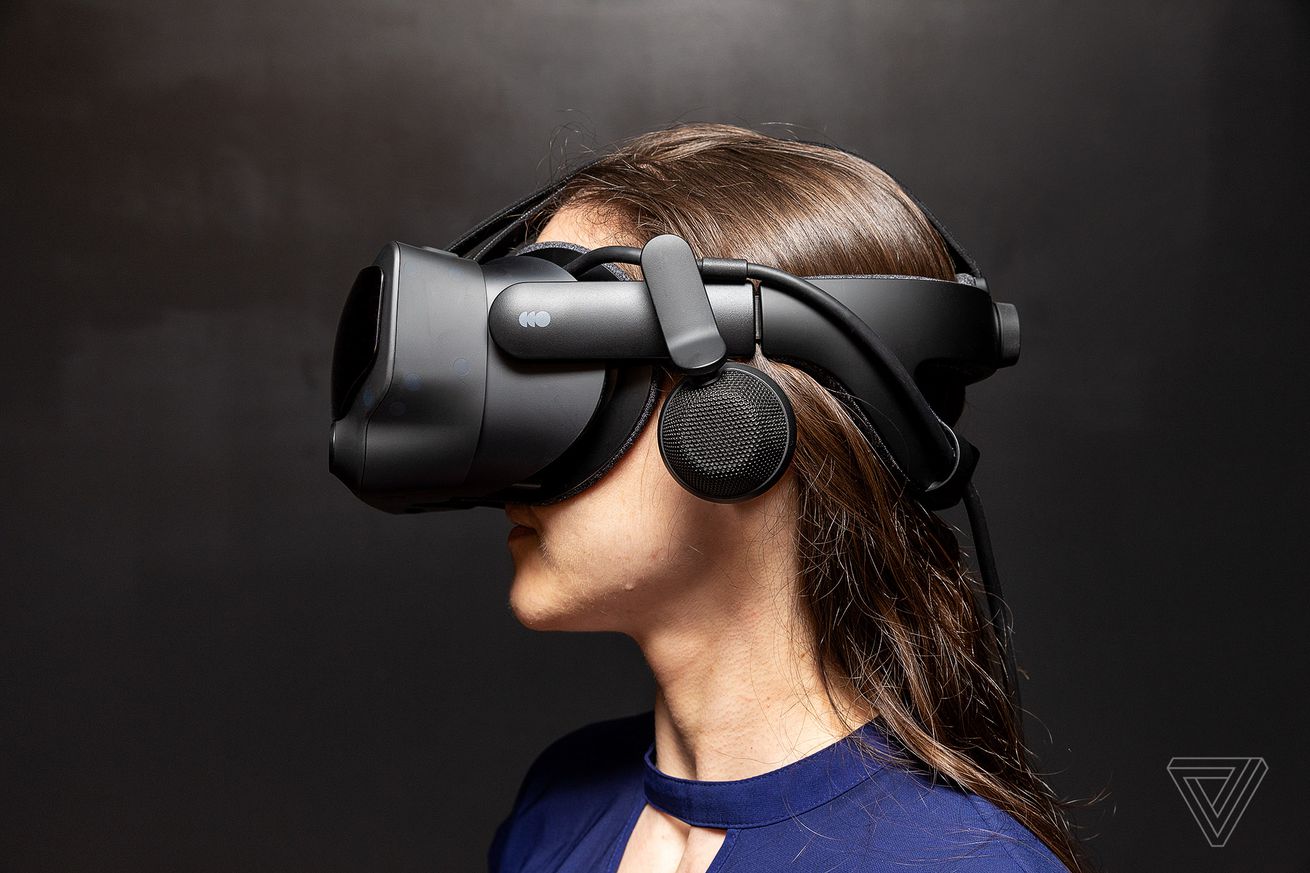
Valve could have a second VR headset in development with a standalone design similar to what’s currently offered by Facebook’s lineup of Oculus Quest headsets. Evidence for the new headset was brought to light by YouTuber Brad Lynch. He found multiple references in Valve’s SteamVR code to a device codenamed “Deckard” which he then cross-referenced against the company’s recent patent applications.
Ars Technica subsequently confirmed with its own sources that much of Lynch’s findings are accurate, and that Valve does have a second headset prototype in development. In contrast with the company’s first VR headset, the Valve Index, released in 2019, the new headset has a built in processor that could allow it to work without being tethered...
CNN has become the first US media organization to restrict Australians' access to its Facebook pages, according to The Wall Street Journal. The move comes weeks after the country's high court ruled that media companies are liable for the comments left by other people on their Facebook posts. A CNN spokesperson told the publication that users in Australia will no longer be able to see its main Facebook page, its CNN International page and the dedicated pages for its shows.
Dylan Voller filed the original case that prompted Australia's courts to decide whether media organizations should be liable for comments left on their Facebook pages. Voller became famous back in 2016 after a TV exposé on the mistreatment of minors in the criminal detention system showed a photo of him hooded and strapped to a chair when he was only 17. Major news outlets used that photo for their articles that were then posted on Facebook, where commenters falsely accused Voller of serious crimes, such as raping an elderly woman.
A CNN source told The Journal that the organization asked Facebook if it would help media companies disable comments entirely. However, the social network reportedly declined to disable all comments on CNN's pages in Australia. Facebook rolled out a tool back in March that allows celebrities, politicians and news outlets to restrict who can comment on their pages, but they'd still have to set a restriction for every post. CNN has decided that doing so for all its properties would be time-consuming and opted to completely block Australia instead.
A CNN spokesperson said:
“We are disappointed that Facebook, once again, has failed to ensure its platform is a place for credible journalism and productive dialogue around current events among its users."
As for Facebook, it told The Journal that it supports the reform of Australia's defamation laws. In addition, it said it provided CNN with features it can use to manage comments and that it continues to "provide Australians a destination for quality journalism, including through Facebook News which we launched in August."
Earlier this year, Australia also passed a law that requires tech giants to pay news outlets for using their content. As a response, Facebook blocked Australian publishers and residents from sharing news content. It quickly rolled back the ban, however, and agreed to pay some news organizations for their content.


Amazon laid out its plans to make ambient computing an even bigger part of its customers’ lives at its hardware and services event on Tuesday. But while that vision includes surveillance drones and being followed around your home by a rolling Alexa-on-wheels called Astro, it was missing products for the other place people spend a lot of their time — their cars.
That left an automotive-sized hole in Amazon’s presentation, and there are some good reasons to find it odd. Rumors in the lead-up to Amazon’s event pointed to the launch of a second generation Echo Auto, alongside several other predictions that ended up being true, like the wall-mounted Echo Show 15. Leaks of the Ring Car Cam in June also seemed to suggest that the Amazon-owned...
Shortly after the new iPad mini was released, people started complaining about seeing a weird "jelly-like" effect on their screens while scrolling. It appears as if one side of the screen scrolls at a different rate than the other, making it look like the screen is wobbling. Those who were hoping for a fix to the problem would probably be disappointed by Apple's response, because the tech giant has told Ars Technica that the device's screen wobbling problem isn't a problem at all.
A spokesperson told the publication that the jelly-like effect people are seeing is typical for LCD screens, because they refresh line by line. As such, it's normal for the lines at the top of the display to refresh at a different rate than the lines at the bottom. Ars Technica insists, though, that the effect is much noticeable on the iPad mini than it is on other 60Hz LCD iPads, including the latest entry-level model that was released with the mini. Further, there's a visible line dividing the screen in the middle when the tablet is in portrait mode.
It remains to be seen whether Apple would do something about this jelly scrolling effect in the future, considering people are airing complaints about it. For now, it looks the tech giant's stance is that it's par for the course for an LCD screen and that users will just have to get used to it.

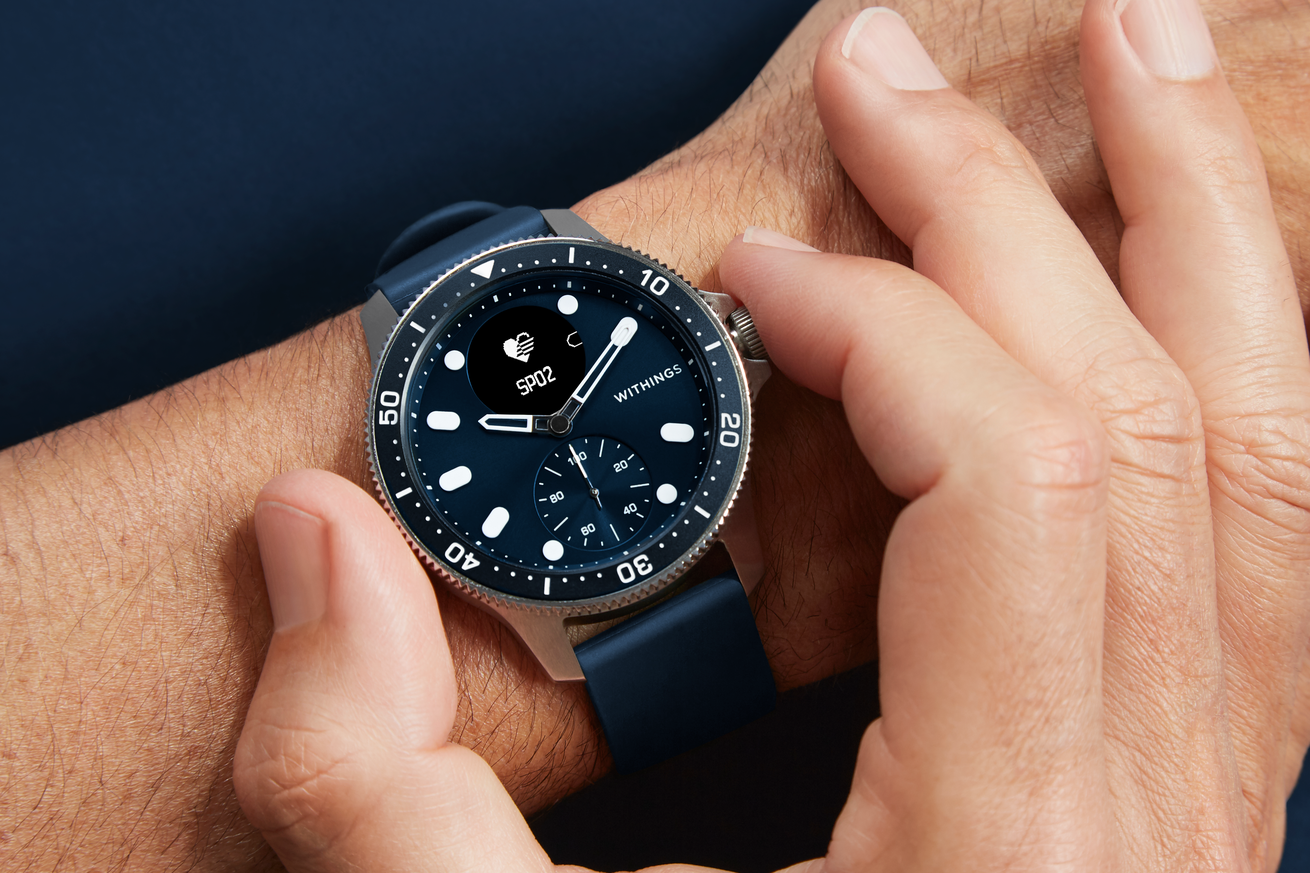
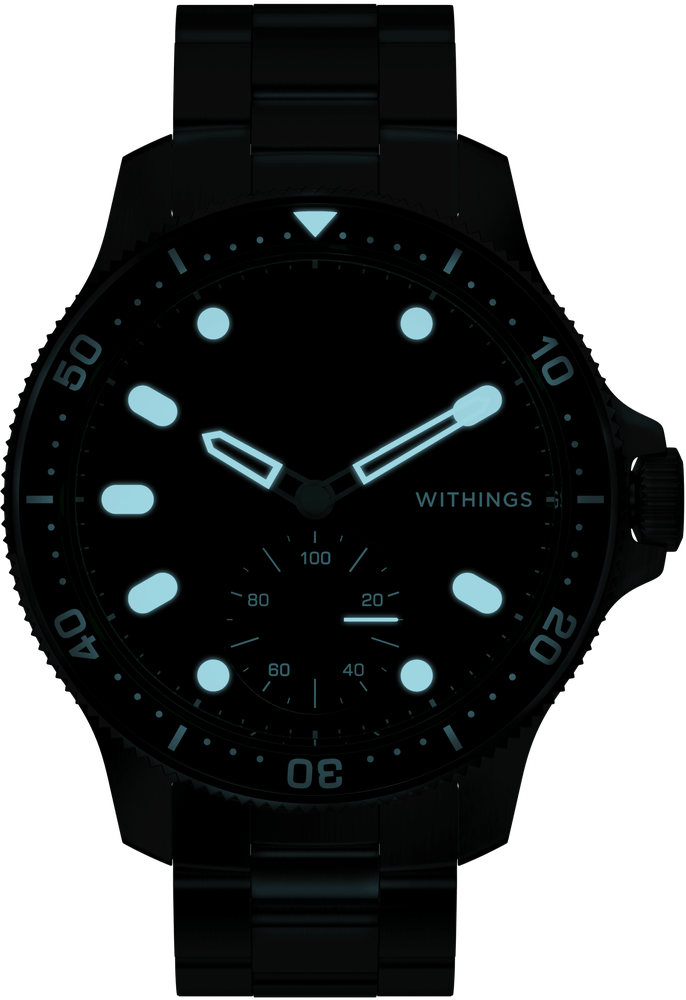
The ScanWatch Horizon is Withings’ latest hybrid smartwatch to combine a digital display with a traditional mechanical format. You buy a Withings because you hate the look of typical health-focused wearables and abhor the bombardment of notifications that plague other smartwatches.
Withings says it took design inspiration for the 43mm ScanWatch Horizon from “luxury dive watches” like the Submariner or Seamaster — influences that can be seen in the reflection-free sapphire-glass casing with titanium finish, a stainless-steel rotating bezel, and luminescent watch hands and indicators for visibility in low light. Its water resistance is only rated at 10 ATM, however, making it ill-suited for deep dives. But it should be fine for swimming,...
Withings is today launching the ScanWatch Horizon, a dolled-up version of its ScanWatch inside the body of a diving watch. Horizon comes in a bigger, 43mm case size, but is otherwise the same device we already think is the best hybrid on the market. That includes the built-in ECG, blood oxygen sensor and sleep apnea tracking, as well as the usual activity and sleep-monitoring features. You’ll also get the same pair of sub dials, one with a small digital screen for notifications, the other an analog activity counter.
Sadly, the beefier body and higher price hasn’t added anything to the feature list, and so there’s no GPS on this watch unless your phone comes along for the ride. And, if we’re nit-picking, we can say that while it’s dressed to impress as a diving watch (with an accurate laser-engraved rotating bezel and Luminova watch hands) water resistance is limited to 10ATM, which isn't much compared to most serious diving watches.
That said, the smartwatch world is crying out for anything that matches premium diving watch styling with a hint of smarts. It can’t be that TAG Heuer’s Connected is allowed to become the default in this market by default, especially since it’s running, you know, Wear OS.
Withings told Engadget that FDA approval of its health sensors is holding back the ScanWatch Horizon's release in the US, but it's hoping to release it stateside by the end of the year. That's also why the original ScanWatch has yet to go on sale in the US, in case you were wondering.
As for when you can get one of these on your wrist, the ScanWatch Horizon will first launch in the UK from September 29th, priced at £499.95 / €499.95. Buyers will be able to choose the Blue or Green face color, and both models will ship with a stainless steel and an FKM rubber band (for swimming), both of which are naturally quick-release. Naturally, you can expect this watch to start popping up across Europe and over in the US at some point in the near future.
Steve Dent contributed to this report.